Training: 5 Signs a Horse Is Ready to Leave the Box with Sarah Angelone
The Breakaway Roping JournalAug 6, 2025
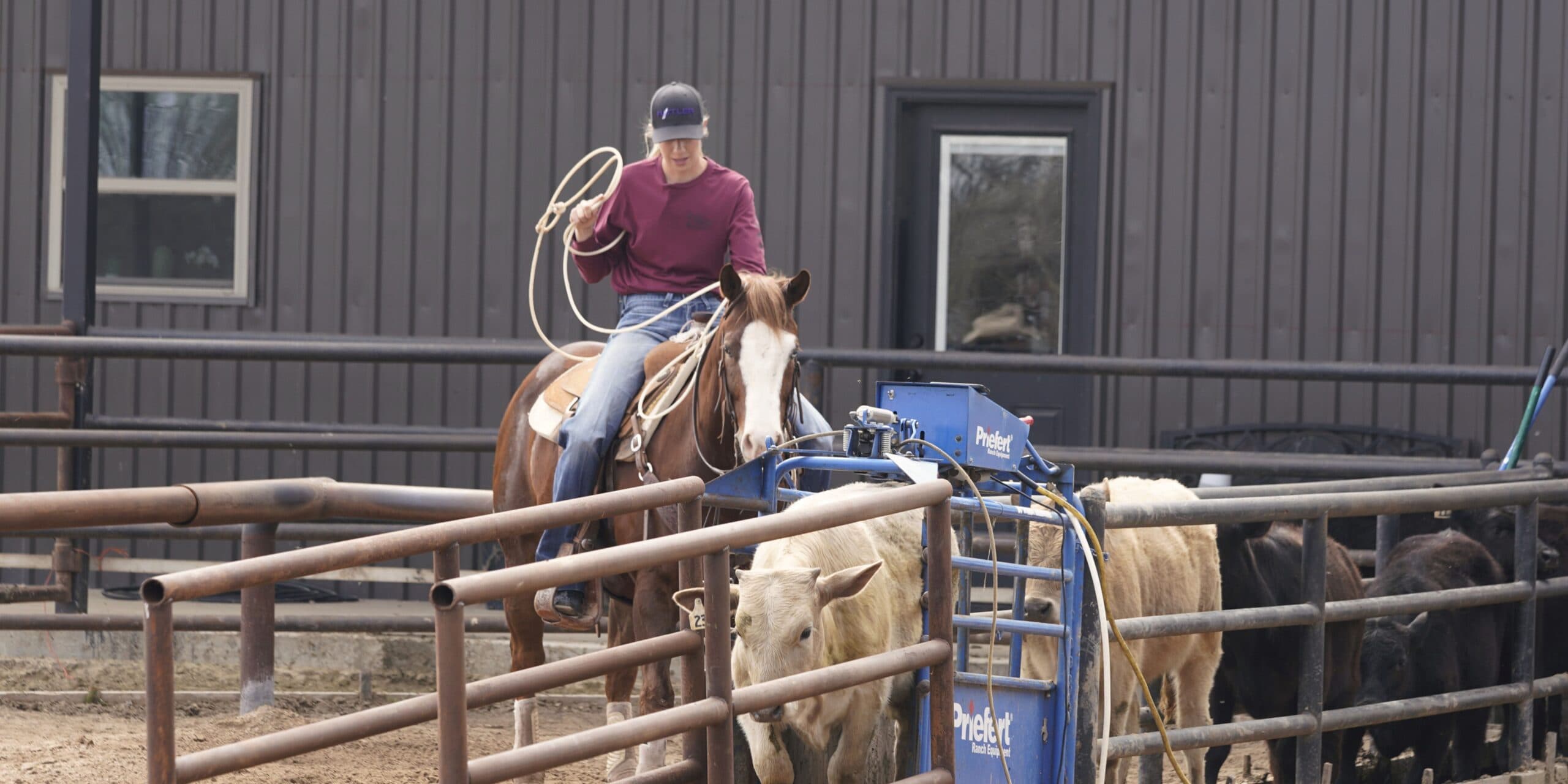
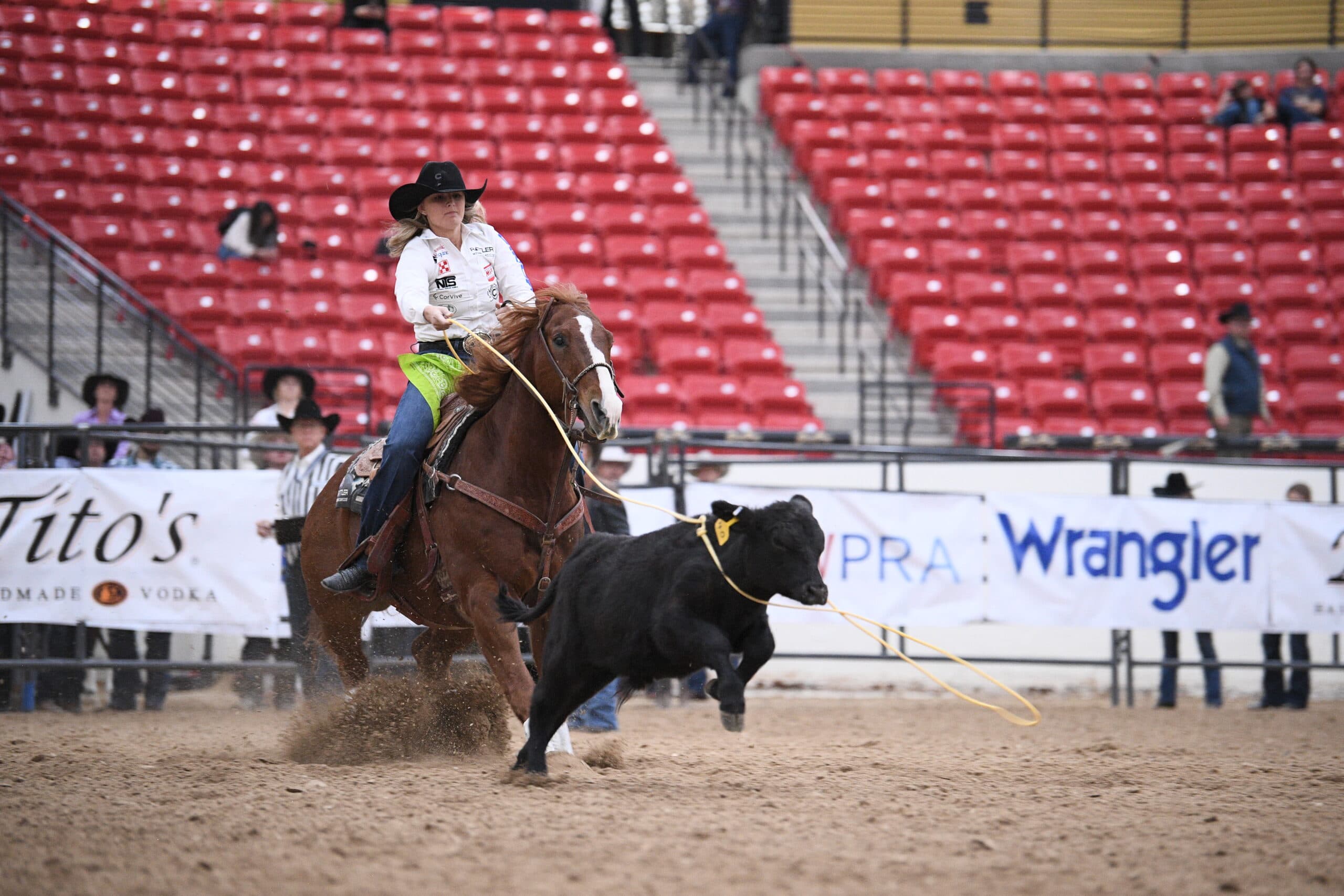
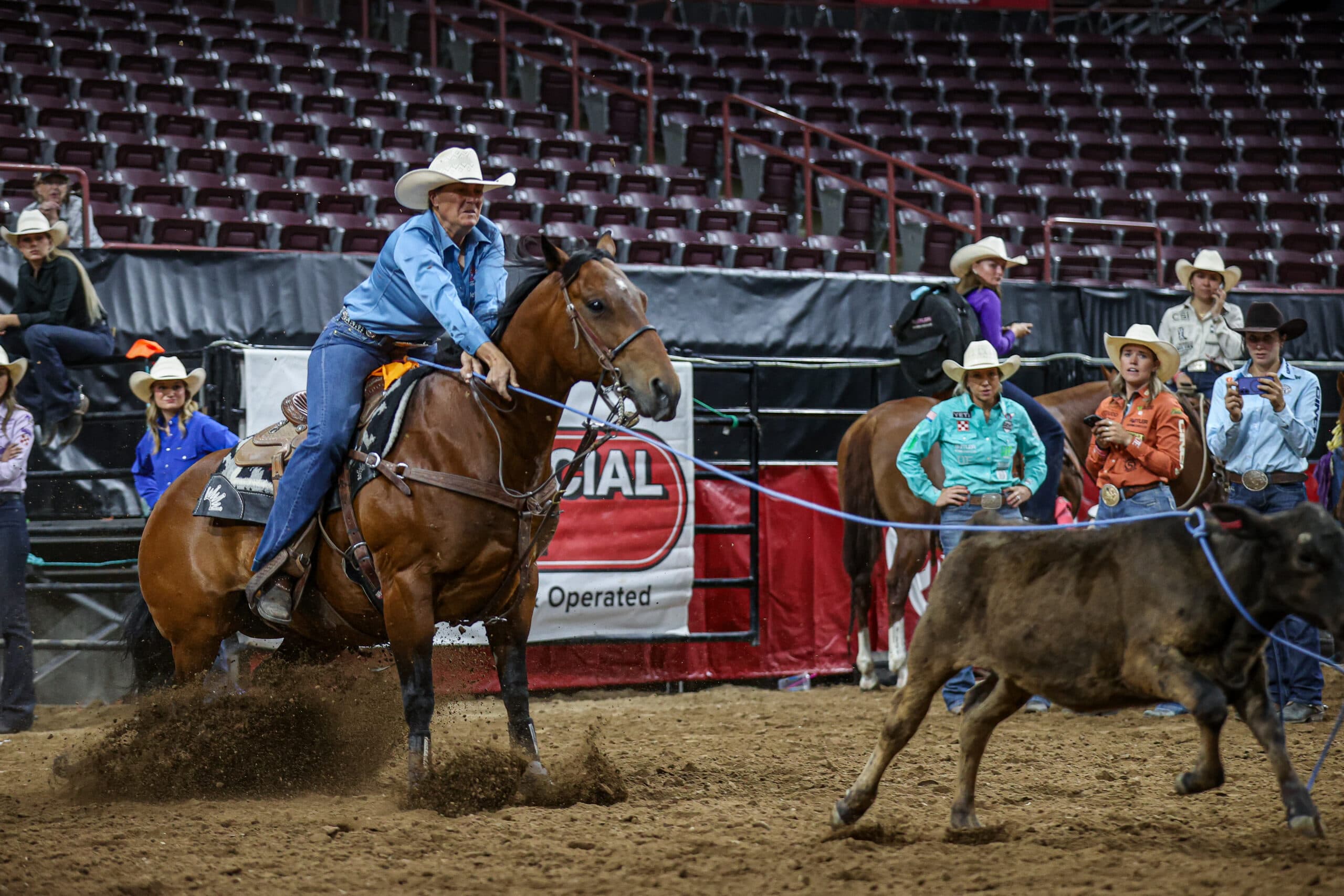
Training a young horse rope horse comes with a lot of pressure, so Sarah Angelone has a mental checklist of the skills she wants to see in a horse before she begins stepping them up and leaving the roping box with them.
In her Roping.com video, professional trainer and breakaway roperAngelone shows how she carefully introduces a horse to the box when she knows they’re ready.
Here are five signs Sarah looks for before ever dropping her hand from the corner.
5. Your Horse Tracks Calves Side-to-Side in the Pen
Before a horse ever hears the chute crack, Angelone wants to be sure they’ve mastered pen roping—free-tracking calves around the arena.
“I’ll do that until I can put my hand down and that horse will track the calf left, right, side to side,” Angelone said. “That’s when I know the horse is ready for the box.”
If the horse loses the calf when it cuts left or right, Angelone knows it’s not time yet. The calf’s path won’t always be straight out of the chute—a horse has to be ready to adjust.
4. The Dummy Work Has Progressed Past Straight Lines & One Speed
Sarah uses the dummy to test tracking and rating before moving to live cattle. But she doesn’t just chase it in straight lines—she mimics real-life situations.
“On the dummy, I’d go left and I’d just try to make it real, then stop the dummy and get him to rate and pay attention,” Angelone said.
A horse that ignores the dummy or runs over it isn’t ready to handle the pressure of a real calf and the box. They should show signs of rating and reading their target.
3. Your Horse Moves Forward When You Drop Your Hand
Angelone’s biggest focus in early box work? Forward motion.
“When I first start them out of the box, I want a lot of forward motion,” Angelone said. “As long as the horse is going forward, you’re good.”
Angelone walks horses out of the box at first—never from the corner—and doesn’t expect a full-speed burst. She’s just looking for willingness and understanding when the cue is given.
2. The Chute Noise Isn’t a Shock
One often-overlooked factor is desensitizing the horse to the noise and movement of the chute gate. Angelone preps for this long before ever riding out of the box.
“Usually they’re super scared of the chute,” she said. “But I think [this horse] been tied beside it so long, he’s actually kind of used to it.”
Angelone also makes a habit of opening and closing the chute while the horse stands nearby so they aren’t startled once they’re in the box themselves.
1. You Can Score Without a Fight
Scoring isn’t just about sitting still—it’s about making the box a calm, safe place for the horse. If they’re anxious or resistant, Angelone doesn’t pick a fight.
“The more you pick a fight, the worse they’re going to want to be in here,” Angelone said. “This needs to be a safe place for the horse.”
Angelone scores a few calves at a walk before ever attempting a run.
Angelone doesn’t remove the score lane or start pushing for speed until the horse is mentally and physically prepared.
“I won’t pull the score lane down until he feels like he’s going to go on his own,” Angelone said. “If I start sending them from the corner when they’re not ready, they go up and out because it’s zero to 60 that fast.”
Angelone’s method isn’t flashy, but it builds the foundation for a horse that can think in the box, track in the arena, and grow into a long-term breakaway partner.
Want to See the Full Process?
Watch Sarah Angelone’s step-by-step breakdown of how she introduces a horse to the box for the first time—available now on Roping.com. Whether you’re training futurity prospects or starting a practice horse, her approach sets up long-term success.
This article was originally published on Breakaway Roping Journal — Instruction. View original article →