5 Ways Danielle Lowman Ropes the Breakaway Dummy to Get Rodeo-Ready Fast
The Breakaway Roping JournalAug 6, 2025
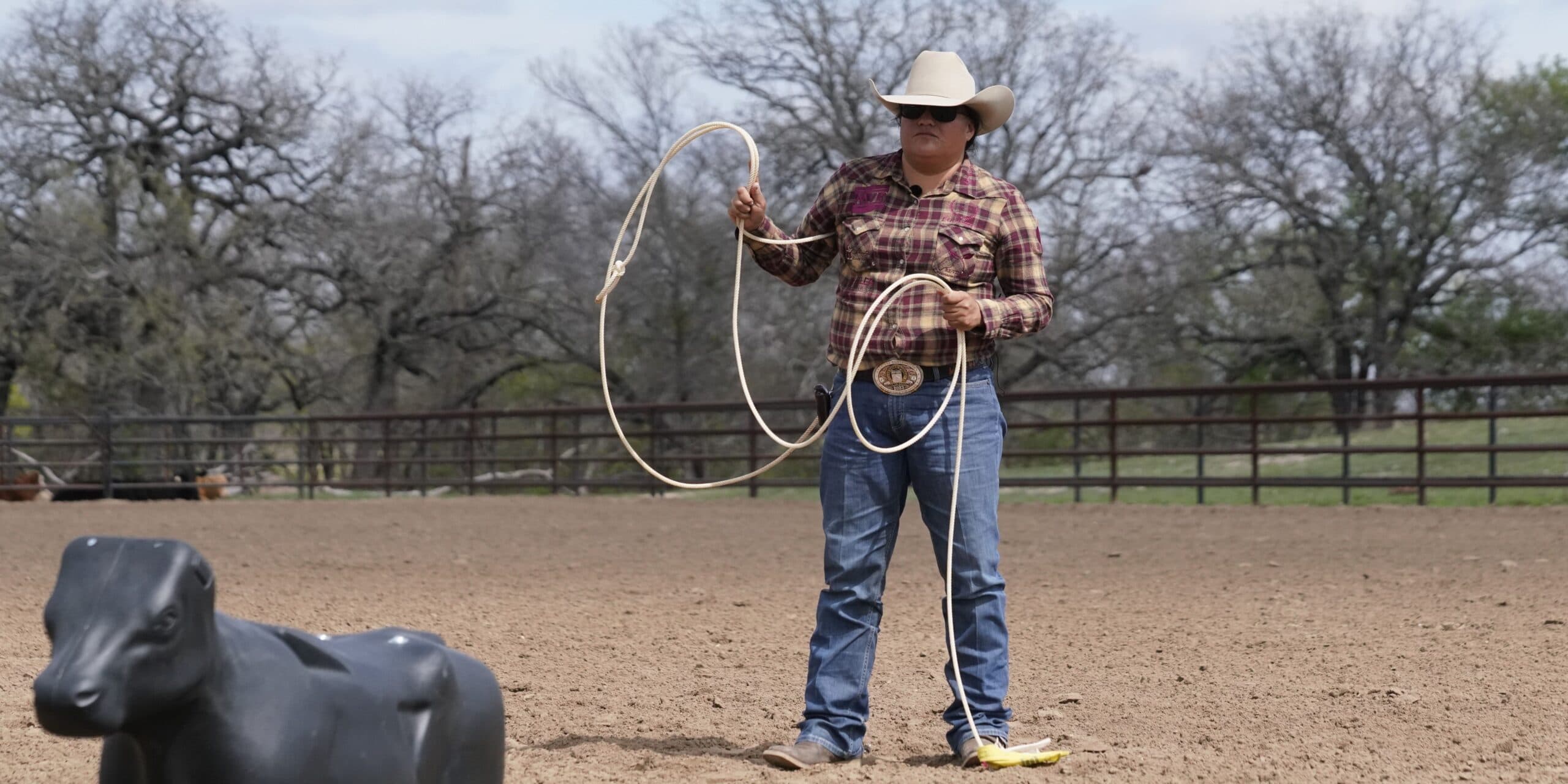
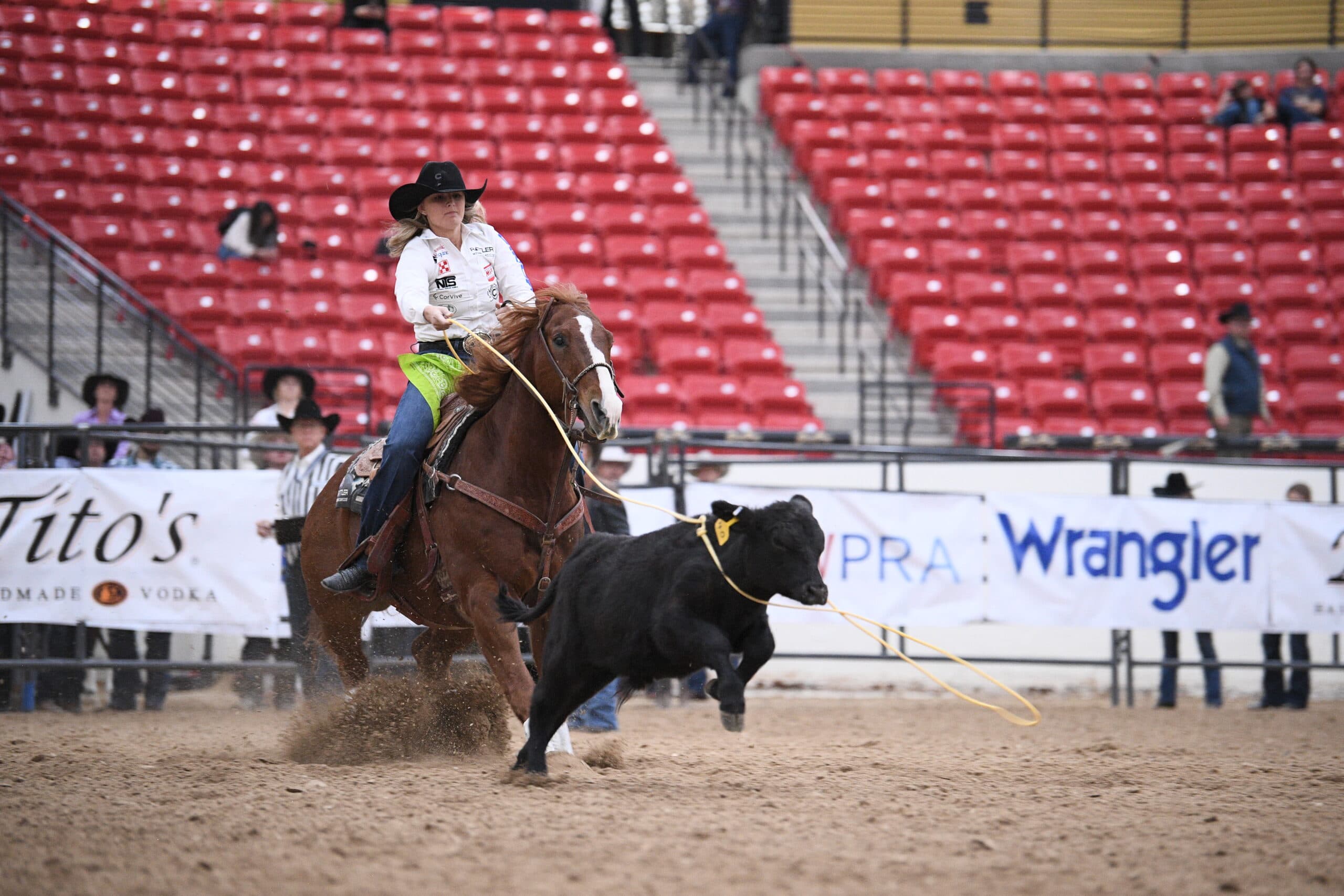
Before Arizona breakaway roper and Navajo Nation member Danielle Lowman ever backs into the box at a ProRodeo, she’s already laid the groundwork for speed—practicing with a rope in hand and a calf dummy in front of her.
In her exclusive video on Roping.com, Lowman walks viewers through the exact ways she ropes the dummy to sharpen her reaction time, refine her loop, and sync up with her horse—all in preparation for the fast setups.
Here are five key ways Lowman uses her dummy practice to go fast when it counts.
5. Count Three Swings Every Time
When she’s prepping for a short-score rodeo, Lowman ropes the dummy with a three-swing mindset—never two. Why? Because three swings help her get in rhythm before it’s time to react.
“I will try to take three swings before I go rodeo,” Lowman said. “I’ll count in my head and just have that reaction going for myself because usually when you’re about that fast, it’s all out of reaction.”
And while two swings might be tempting in a run, she keeps her dummy practice disciplined so the muscle memory kicks in when she nods.
4. Stay Flat-Footed and Drive Through Your Core
Lowman ropes her dummy standing flat-footed, mimicking the body position she maintains on her horse. She uses her lower body and core to push power through the rope.
“I stay flat-footed because I feel like this is how I am on a horse,” Lowman explained. “Most of the power honestly comes from my toes to my legs and then to my core… and then my horse is that last push when I’m letting it go.”
This realistic posture lets her use body momentum to build speed and distance in her delivery.
3. Practice Timing With Your Horse in Mind
For Lowman, getting her rope out there quickly isn’t just about arm strength—it’s about being in perfect rhythm with her horse. She visualizes that timing, even when she’s on the ground.
“I get [my rope] to go so far because I’m in timing with my horse when I leave the box,” Lowman said. “When I’m in timing with my horse, I push off my horse, and that’s what sends my rope out there.”
Even while dummy roping, she’s visualizing her horse’s push and using it to fuel her loop.
Lowman rotates between multiple dummy setups to target different aspects of her loop. One dummy helps her open up the bottom strand, another sharpens her control of the top.
“This one helps me have more control of my top strand, and this one’s like a cheater—it makes me push more bottom,” she said. “I go between both dummies.”
She even adjusts her loop size and hand position based on the dummy’s build—mimicking calf variety she’ll see on the road.
Danielle Lowman keeps a few dummys with her for practice, if she can. Their different head positions help her with different aspects of her loop.
1. Play With Loop Size, Slack, and Hand Position
Lowman doesn’t just throw loops—she experiments with them. On each dummy, she plays with loop size, slack control, and hand placement, adapting her style to match different calf types.
“I never had the horsepower growing up, so I would just stand around and rope the dummy,” Lowman said. “If you learn how to use your whole loop, you can send it as far as you want with just your body.”
That deep familiarity with her rope and how it reacts has made her consistent in high-pressure situations.
Lowman reminds ropers to stay open-minded when troubleshooting their dummy work—and to not be afraid to get a second set of eyes.
“Being open-minded is what’s going to help every person excel in their roping,” she said. “Ask people for help and figure out how you need your loops to hit or how they’re not hitting.”
Want to See it in Action?
Danielle Lowman practices these techniques and more in her full video, available now on Roping.com. Whether you’re dialing in your reaction time or tweaking your loop, her tips can help you rope fast—and rope smart.
This article was originally published on Breakaway Roping Journal — Instruction. View original article →