Money that follows the rider
In horse racing, every purse dollar becomes part of a permanent record. In cutting and reining, earnings populate databases, fill sale catalogs and drive breeding decisions. A buyer looking at a cutting prospect can pull the sire's produce record and see, in dollars, what that bloodline has done.
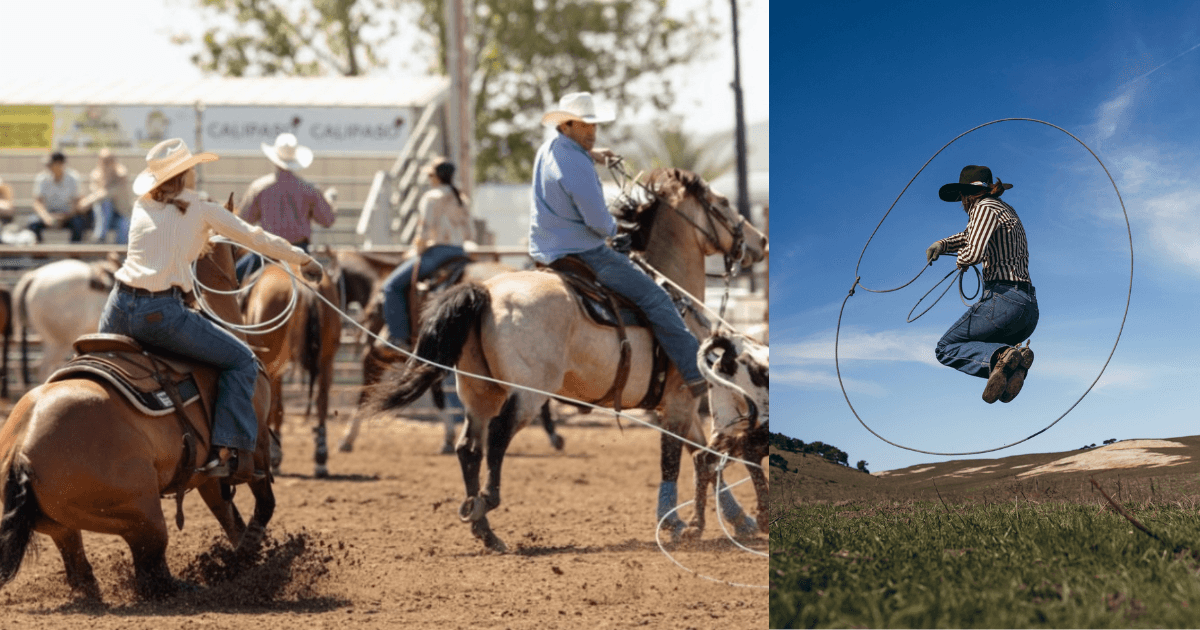
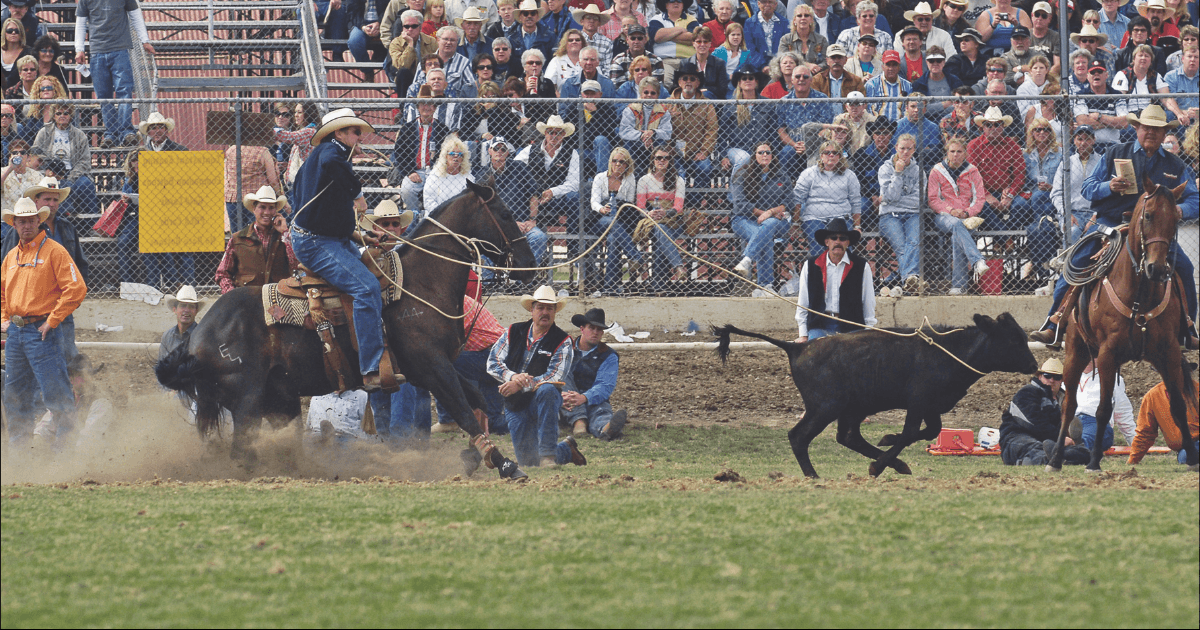
In team roping, the money has always followed the rider. Someone wins a jackpot, collects the check, and the transaction ends there. The horse that made the run — the horse that scored clean, ran hard and gave the heeler a shot — leaves no trace in any database. Once the payout envelope changes hands, that performance effectively never happened as far as the horse's record is concerned.
The practical consequence shows up at the sale ring. Black-type pedigrees, built by pulling reports from QData and EquiStat, are what drive valuation in cutting, reining, barrel racing and race horses. Every one of those markets has outperformed the rope horse market on pricing, despite team roping being the richest Western discipline on earth by total payout. A great rope horse's résumé lived in word of mouth, in who remembered which horse won which roping, and in a trainer's reputation.
Sale barn operators have made the point plainly: credentials with no real cash value behind them don't move the needle on a rope horse's price. Documented earnings from live jackpot competition would.
What's changed
The correction started in 2022, when AQHA partnered with the Riata Buckle Stallion Incentive to push roughly $2 million in new earnings into the recorded databases. That same year, for the first time, AQHA relied on The Team Roping Journal's indexing of the horses ridden by the Top 15 at the Wrangler National Finals Rodeo to funnel another $1.1 million of rodeo money into QData.
The effect on the all-time team roping horse earnings list was immediate and dramatic. Horses that had been winning for years suddenly had numbers next to their names — and so did their sires and dams. Stallion owners saw progeny earnings materialize on paper. Mare owners saw produce records grow.
The Riata program treats this as its central purpose rather than a side benefit. Every Riata side pot exists to create a trackable, reportable, transparent record of performance inside the richer main roping. Those results feed QData. The more that gets tracked, the more value accrues to every horse in the program — and to the breeding operations behind them.
The infrastructure now being built
Two mechanisms are doing the work today.
Self-reporting. Ropers riding nominated Riata horses can report winnings any time during the year, before Dec. 31, from World Series of Team Roping events, USTRC events, World Series PPQ, National Team Roping events and NTRL events. Riata submits those results into the earnings databases, expanding the horse's lifetime earnings along with the produce records of both parents and the breeding program as a whole.
A web tool is in development that will let ropers winning on Riata horses and Rope Horse Rewards horses go online and select which of their horses won at any event running GEMS software — turning what is currently a manual submission into a few clicks against results the system already holds.
Automatic tracking through Rope Horse Rewards. The National Rope Horse Rewards Program, a partnership between Riata, AQHA and Equine Network's GEMS-operated events, is the broader version of the same idea. For $300 per horse/rider combination per year, a registered AQHA horse's qualifying wins across the country get documented as a matter of course. All horse earnings in the program are tracked.
That's the structural piece. Riata pioneered the software to document its own nominated horses; the Rope Horse Rewards framework extends the same tracking to registered rope horses generally, whether or not they carry a Riata nomination.
Why a roper should care
The objection is fair and it comes up constantly: you can't ride papers. Ropers are competing for millions in Las Vegas and Fort Worth. Why spend energy on a database entry?
Three reasons.
Resale. The day you sell the horse, a documented earnings record is the difference between asking a price and justifying one. Buyers coming into the rope horse market — and there are more of them every year — read numbers before they read reputations.
Breeding value. If you own the mare, or bred the horse, or stand the stallion, every reported check compounds across the pedigree. Progeny earnings and produce records are cumulative assets built one submission at a time.
Industry position. Team roping's earnings have never matched its actual economics on paper. Closing that gap is what puts rope horses on the same footing as cutting and cow horses in every catalog, every appraisal and every conversation about what a good one is worth.
The money is already being won. The only question is whether the horse gets credit for it.
Report earnings and enter Rope Horse Rewards at RiataBuckle.com. Coverage of the drawings and championship events runs on EQN Sports.