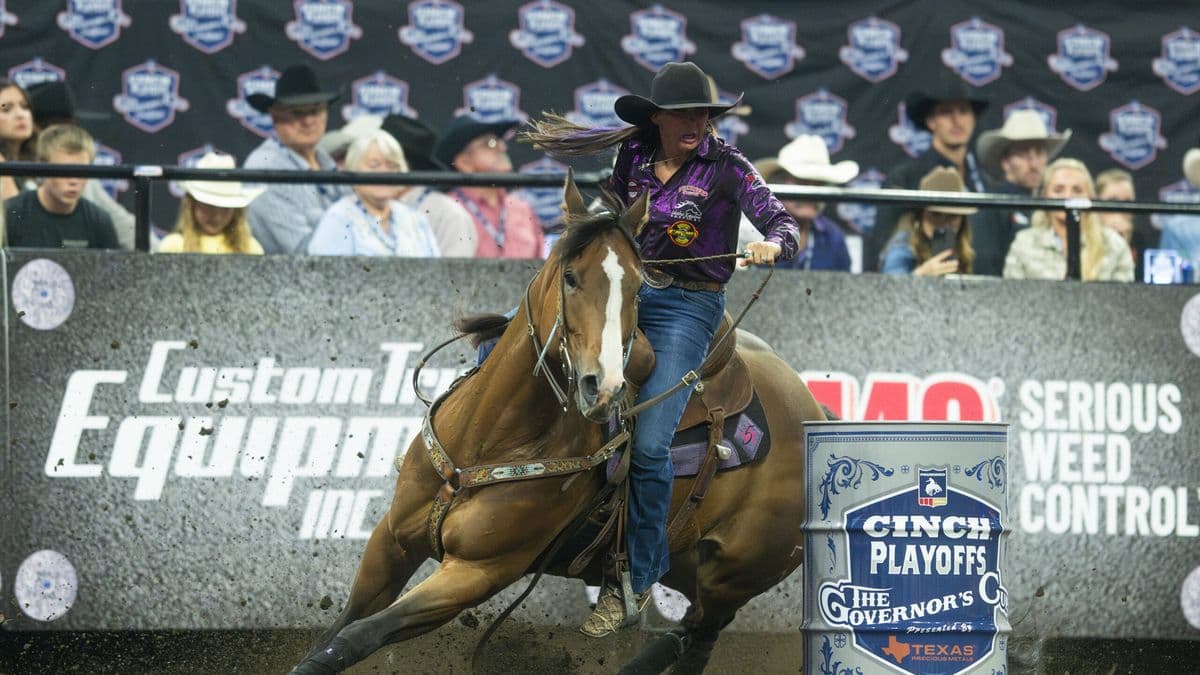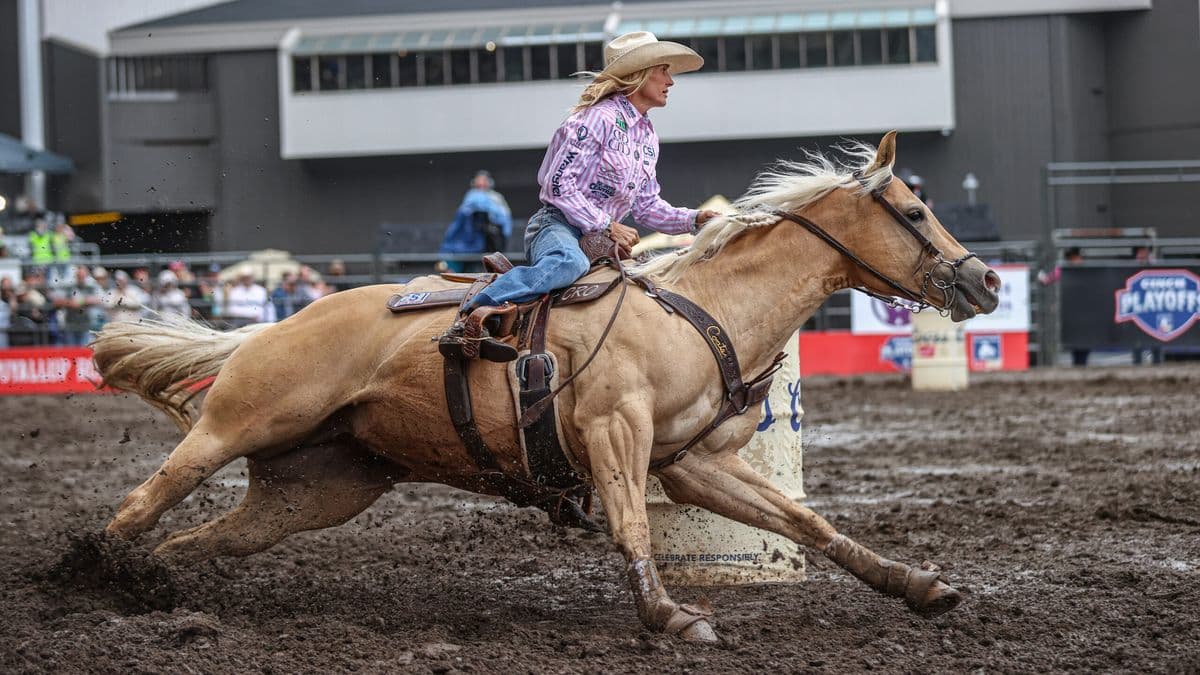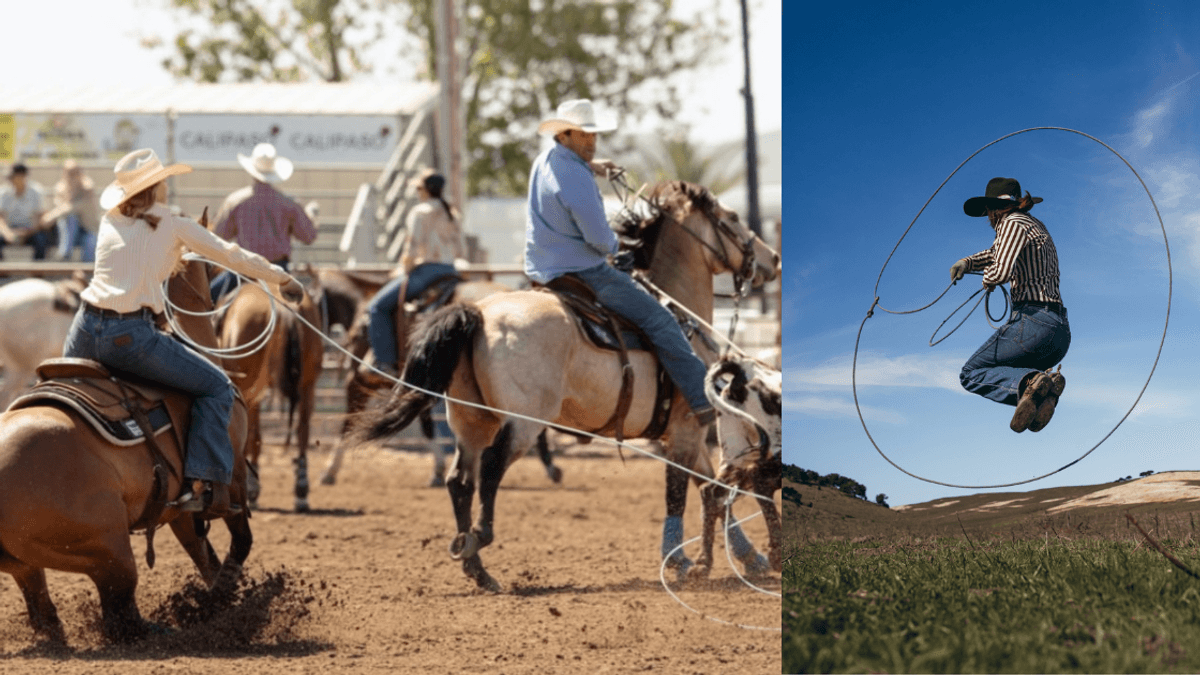
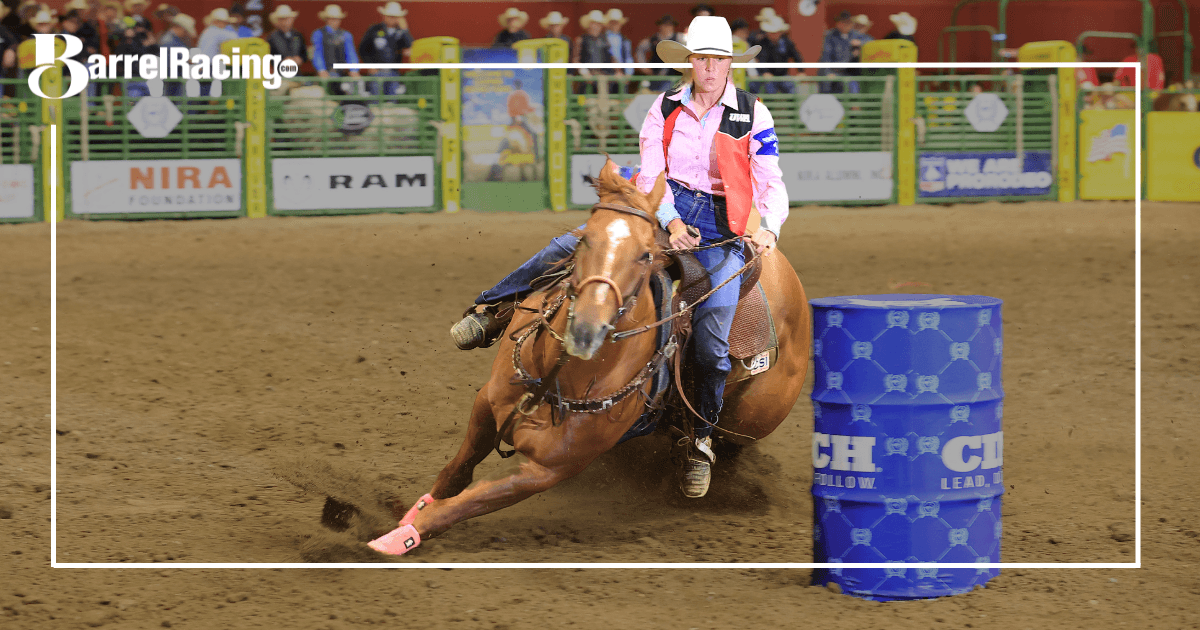
As young adults embark on the best four years of their lives as they head to college each fall, thousands of young rodeo athletes are also preparing for the next step in their budding careers: college rodeo.
Since 1949, the National Intercollegiate Rodeo Association has given college students the opportunity to develop their skills inside the arena while also furthering their education. With hopes of making the College National Finals Rodeo, college rodeo is an influential chapter for rodeo athletes prior to the professional level. But, new chapters can be intimidating. So, how does college rodeo work?
Table of contents
Table of contents
- Table of contents
- So, what is college rodeo and NIRA?
- What are NIRA college rodeo Regions?
- Can I participate in collegiate rodeo if my school doesn’t have a rodeo team?
- Can junior colleges participate in collegiate rodeo?
- How do I become a NIRA member?
- How do I know if I’m eligible to enter?
- What is the WCRA College Trifecta?
So, what is college rodeo and NIRA?
The National Intercollegiate Rodeo Association gives students enrolled in a college or university the opportunity to continue their rodeo careers after high school. With over with over 135 colleges and universities with sanctioned NIRA organizations and over 100 rodeos a year, NIRA continues to offer college athletes the opportunity to develop their rodeo careers while simultaneously furthering their education. Students must be in good standing and meet specific academic requirements to be eligible to rodeo. A student has six years of eligibility from the date of high school graduation to compete in college rodeo with a limit of rodeoing four years, plus a fifth if pursuing a masters degree or serving as a student region director. Each member school has a coach or advisor to oversee practices, aid in the membership process, ensure students are eligible and help students through this chapter of school, rodeo and life.