Inside Martha Wright’s Bit Collection: What She Uses and Why
Emma StienikeAug 12, 2025
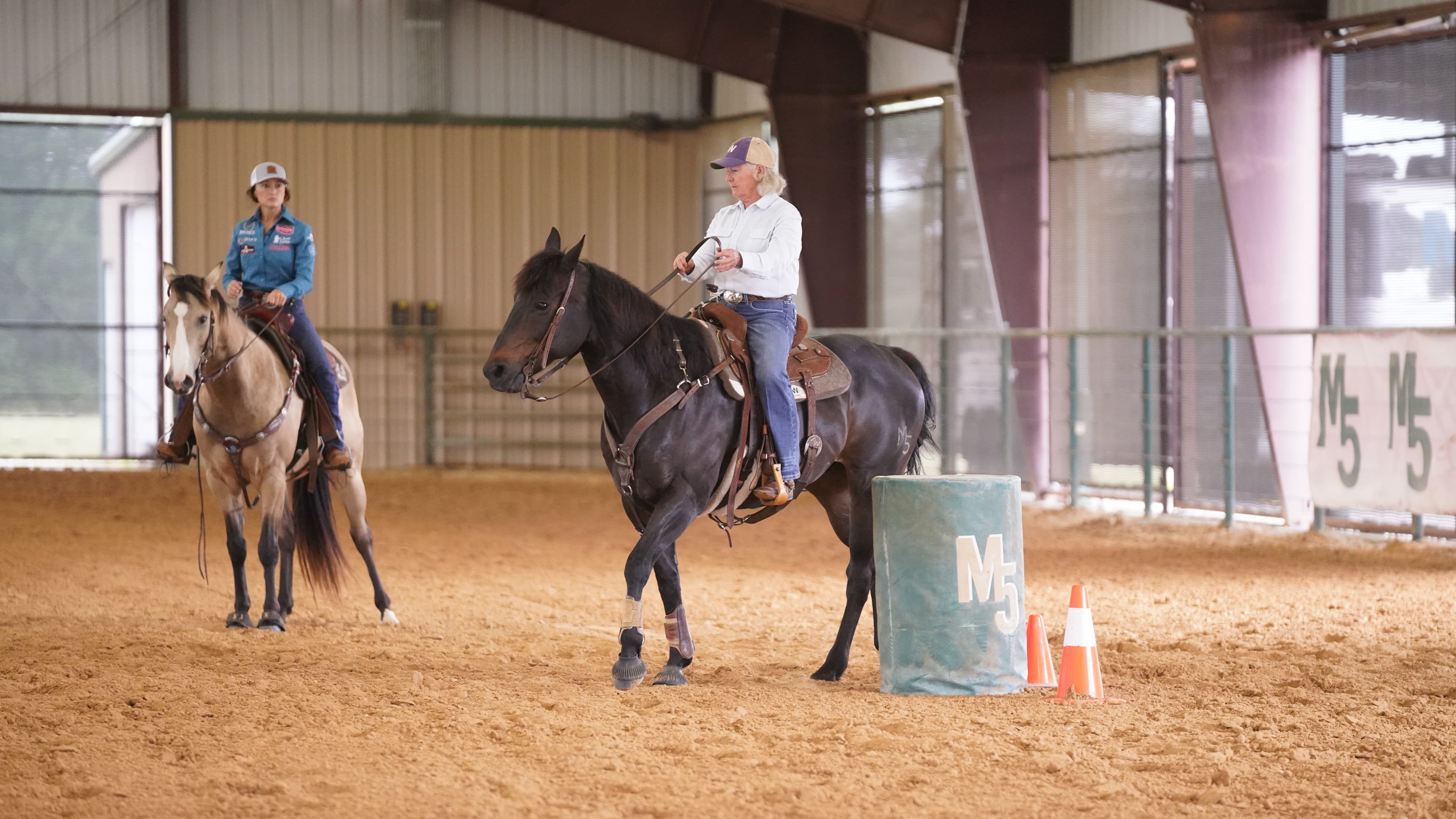
When it comes to bit selection, Martha Wright doesn’t believe in a one-size-fits-all approach. Instead, she tailors her choices to the feel and response she wants from each horse—whether it’s a young colt fresh out of a snaffle or a seasoned horse needing some fine-tuning.
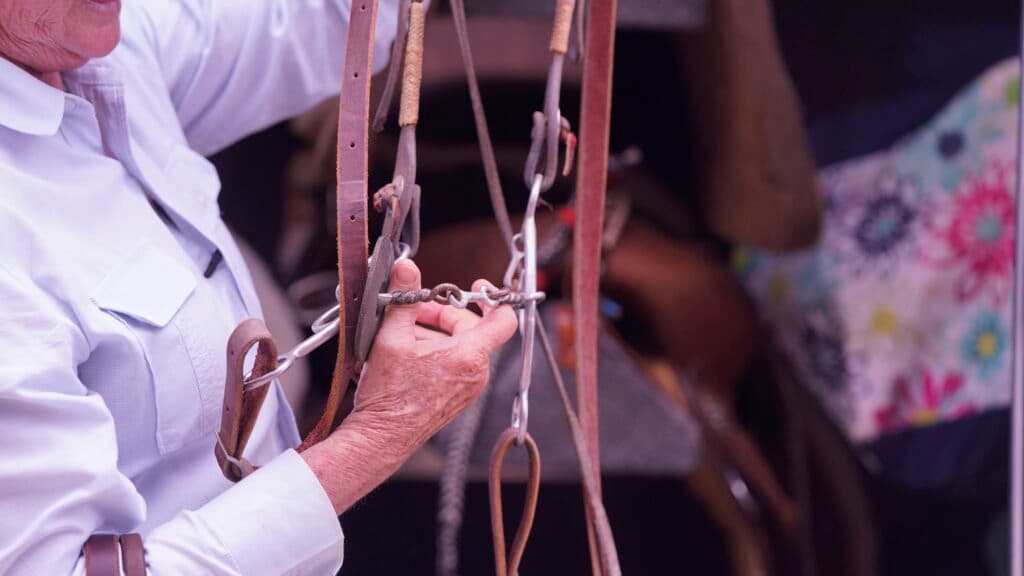
Martha gives us a look inside her go-to barrel racing bits, sharing how she uses each one and the training principles that guide her decisions.
Martha’s Bit Philosophy: Feel First, Not Force
Martha makes it clear—her approach isn’t about quick fixes or tying a horse’s head down to create shape. In fact, she openly avoids using tie-downs or bonnets.
“I want a horse to learn balance without that restriction. A relaxed horse is smoother and faster in the turn.”
She believes in teaching a horse to carry themselves, to respond to feel, and to find their balance naturally. The right bit can support that process—but it all comes back to how and why you use it.
This is one of Martha’s favorite bits—and one she reaches for often.
Often referred to as a correction bit, it features a pretzel-style mouthpiece and a balanced shank. While some riders worry this bit may be “too much,” Martha reminds us:
“A bit is only as good as the hands that are on the reins.”
It’s a great option for horses that need a little more “whoa” than go, and it helps many find a more natural headset. It’s also a reliable tool for youth riders who need some added control without sacrificing feel. Find the bit here.
Correction Bit | Martha Wright 2025
Trammell Chain Gag (No Curb Chain)
Best for: Hard-mouthed horses, added lateral play
This older-style chain gag is a go-to for horses that tend to get stiff or heavy in the mouth.
“You get lots of play in the corners, so you can get a horse’s attention without being harsh.”
Martha runs in this bit without a curb chain, making it softer and more flexible laterally. It’s perfect for horses that want to pull or brace—it reminds them to stay light without adding unnecessary pressure to the bars.
Chain Gag Bit | Martha Wright 2025
Ed & Martha Wright 3-Piece Twisted Bit
Best for: Fast response, refined control
This bit combines a three-piece twisted wire mouthpiece with locked side joints to deliver a quicker response time.
“If you take the lock off, you get a little slower response. But with the lock on, you get a quicker feel—and some horses need that.”
For older or more broke horses, this is ideal when you want them to respond immediately when you pick up your hand. The locked mouthpiece keeps the cue direct and clean.
Same Pretzel Bit, with Side Chains | Martha Wright 2025
Short Shank Gag Bit
Best for: Transitioning from a snaffle, colts just starting in a curb bit
Although she didn’t have this one in the trailer during the conversation, Martha explains she often uses a short-shank gag bit when transitioning a colt out of a ring snaffle.
“I’d go with a short shank and put a gag on him first—just be real soft with it, and let him learn that feel.”
This gives the horse time to adjust without the sharp response of a locked mouthpiece. It’s about offering clarity while maintaining softness—especially for green horses learning new pressure.
Watch Martha Wright & Jordon Briggs’ Barrel Racing Series on Ride TV
Better horsemanship, a stronger mentality, faster and smoother runs—BarrelRacing.com’s Ride TV channel offers training videos from beginner to advanced barrel racing instruction from the most respected voices in the industry. Cut time, gain confidence and win more with the best training tool for barrel racers. Subscribe now for just $19.99/month to learn from top hands like Jordon Briggs, Ryann Pedone, Cheyenne Wimberley and Danyelle Campbell.