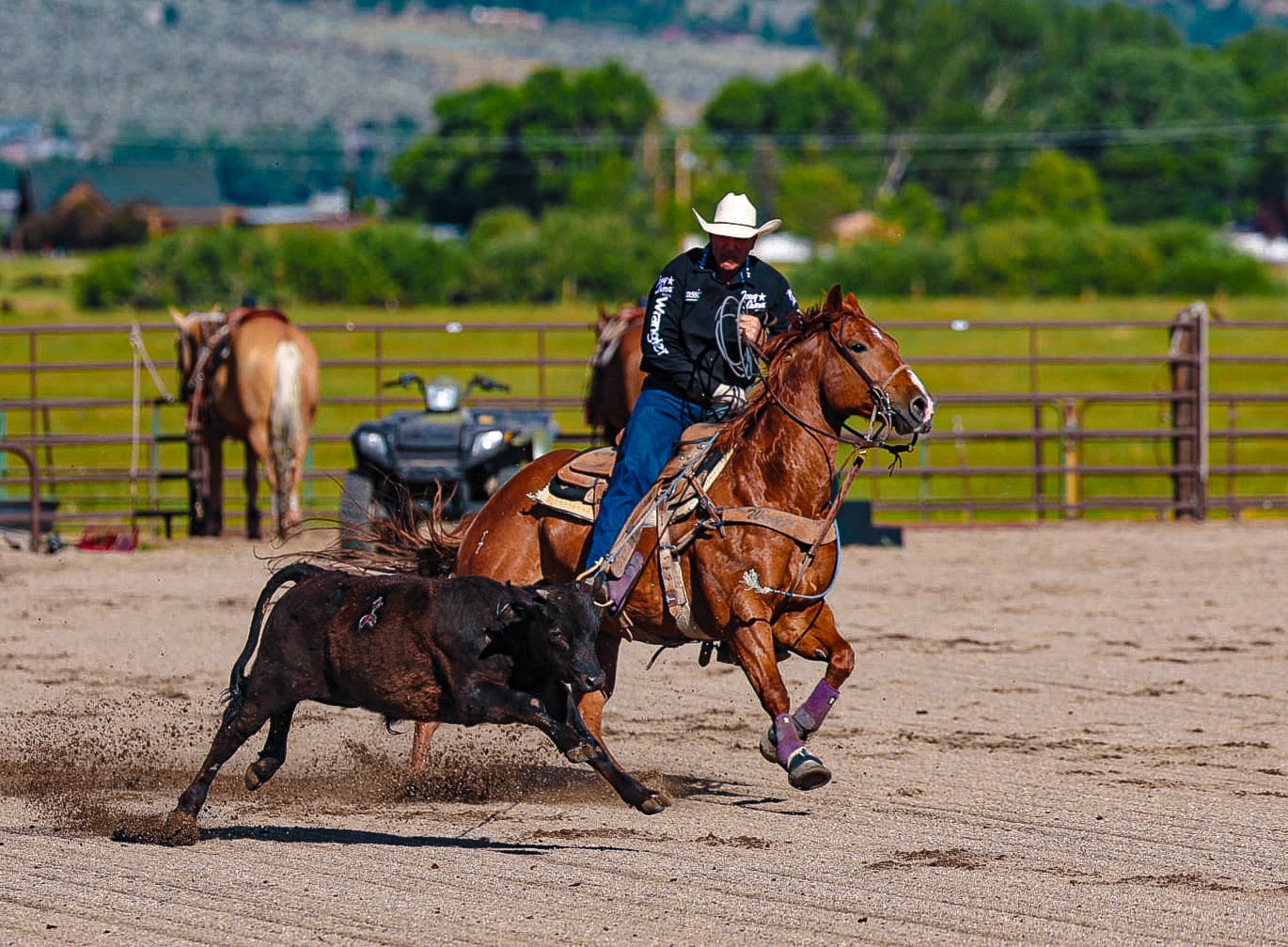
Where I came from in New Mexico, the cattle were plentiful and didn’t have very big horns. Imagine my shock that first time I went to California and roped Cotton Rosser’s bulldogging steers from the year before with huge horns. It was extremely hard for me at first.
Rethinking the Half-Head Shot
Over time, I’ve had a change of heart about roping a half head. I used to think it was a miss you made work—you roped the right horn, it fell on the nose and you’re a lucky sucker, because you missed. Then I got to thinking about it, and that’s a great shot, because it eliminates waving it off, especially when you’re rodeo roping. It eliminates roping a front leg, and the steer handles really good.
Since Clay (Cooper) and I started doing roping schools full time the last few years, I’ve been working on that half-head shot, where I rope the right horn and the nose slick, and don’t have to fish. I think steers handle really good around a half head, especially older rodeo steers.
I can rope that slick half head reaching on the dummy pretty good now, and I’ve been taking it to the practice pen. I went to the really tough little rodeo in Scottsdale (Arizona) earlier this year, drew a steer with tiny horns and tried it on. I was actually going for the horns, but got a perfect right-horn half head and was 4.8. It didn’t win anything, but I was that lucky sucker, and the fresher native steer sure enough handled good. It worked to a tee.
When a Neck Shot Makes Sense
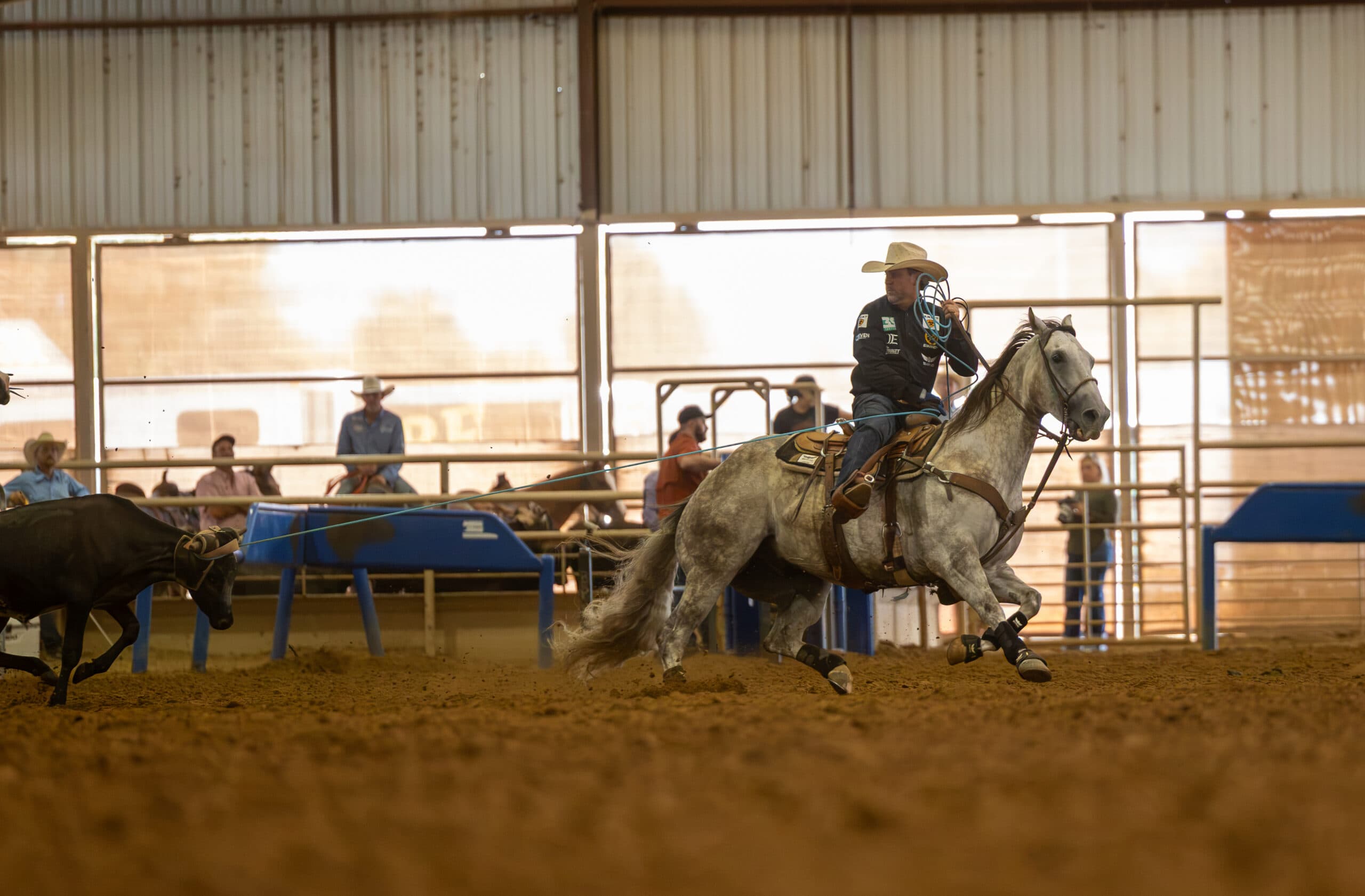
When you’re heeling, there are two shots—a leg or two feet, and a leg is almost a no-time. But it pays to remember that headers have three legal head shots. I’ll pull out a neck shot on a steer with small horns. What you have to be careful of when going for the neck is you start flirting with roping that left front leg if you don’t run up to the sweet spot. When you go to reaching is when you really take the chance.
If you do get one by the neck, intentionally or not, you have to be more careful with that handle, because there’s less balance at the steer’s end. If you drop out of there really hard, you’ll jerk one down, so you have to soften your corner a little bit.
The Risk of Going for the Horns
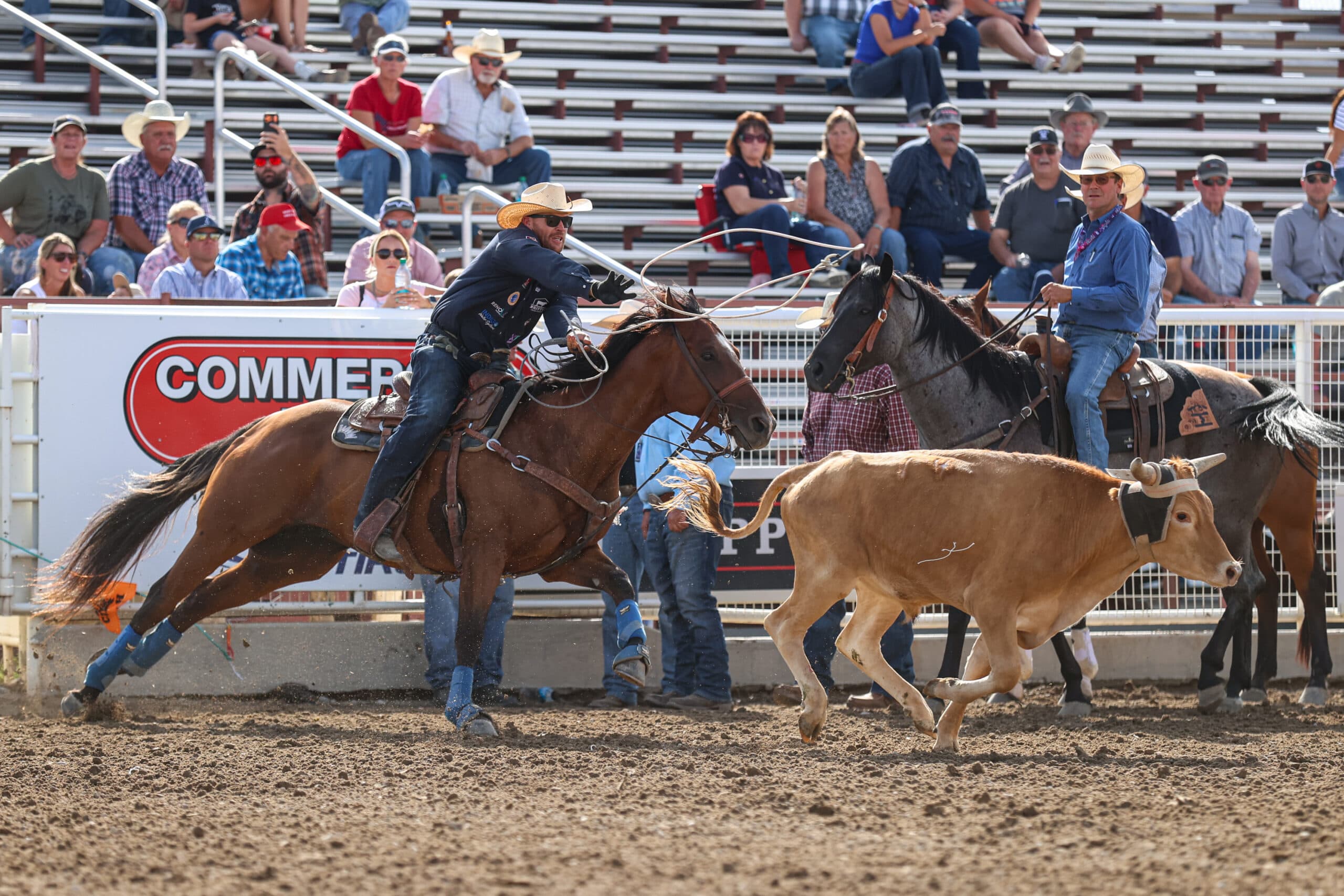
The disadvantage of trying to rope a steer around the horns is you can wave it off or hickey that right horn with your curl, or even hickey the left horn. Or you can get the hondo over the horn, which usually happens over on the left.
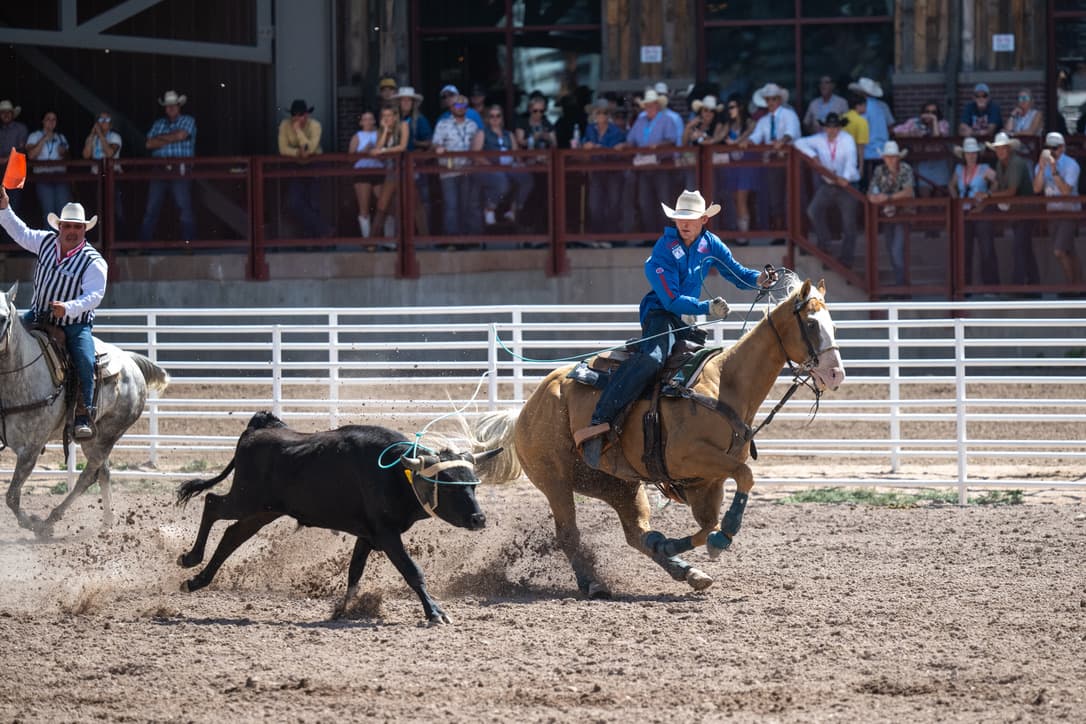
There’s another catch you seldom see, and that’s a left-horn half head. They call that a rodeo half head. You actually miss, and it falls on a left half head. Steers sometimes handle a little funky like that, because it’s a different pull and feel for them, and they fight it.
I’m like the mad roping scientist, always trying to figure out some new little thing that’ll make me better. When you stop trying to get better, you’re done.
Heading Techniques Explained: How the Best Set Up the Catch
—TRJ—
READ: Capturing the Moments: An Inside Look at the June 2026 Issue